 national interest
Israel’s initial procurement of the F-15I fighter occurred in the late 1990s, following lessons learned from the Gulf War.
With the Israeli-Hamas ceasefire in place, Iran’s regional proxy groups are allegedly following suit with the aim to deescalate. The Yemen-based Houthi rebels signaled this week that they will direct future attacks to only Israeli-affiliated vessels in the Red Sea. For over two years, the Iranian-backed militant group has increased its barrages in this critical waterway, nearly halving all commercial traffic through this region. The Houthis’ ability to disrupt the global economy on such a large scale is perhaps the group’s greatest asset. However, if the Yemen-based group continues to target Israeli ships, retaliatory strikes will undoubtedly follow. Considering the strength and formidability of the Israeli Air Force (IAF), Houthi military sites and other assets in Yemen will make relatively easy targets. In fact, Israel’s aerial might will only improve as the Jewish state recently penned a whopping $5 billion deal to acquire an additional twenty-five F-15 fighters beginning in 2031.
The deal, signed by Israel’s Defense Ministry, includes twenty-five Boeing F-15IA fighter jets with options for an additional twenty-five. As Israel’s specialized variant of the advanced F-15EX, these “Ra’am” fighters are often overshadowed by the fifth-generation F-35I Adir. Although the F-15I does not possess the F-35’s stealth, the platform offers greater range which makes it essential for long-range strikes and air superiority missions. “Boeing takes pride in its longstanding partnership with Israel, a relationship that dates back to our nation’s establishment,” president of Boeing Israel maj. gen. (ret.) Ido Nehushtan noted. “The company will continue working with the U.S. and Israeli governments to deliver the advanced F-15IA aircraft through standard military procurement channels.”
Israel’s initial procurement of the F-15I fighter occurred in the late 1990s, following lessons learned from the Gulf War. Israel’s ability to carry out long-range strike operations became apparent at this time, as many of the SCUD ballistic missiles that were launched by Iraq toward Israel were not intercepted. The Ra’am, equipped with specially modified features, was designed to suit the unique security needs of Israel. Specifically, the IAF version possesses more advanced weapons, avionics, communication capabilities, and electronic warfare systems than the original Eagle which was crafted to function as a pure air-to-air fighter.
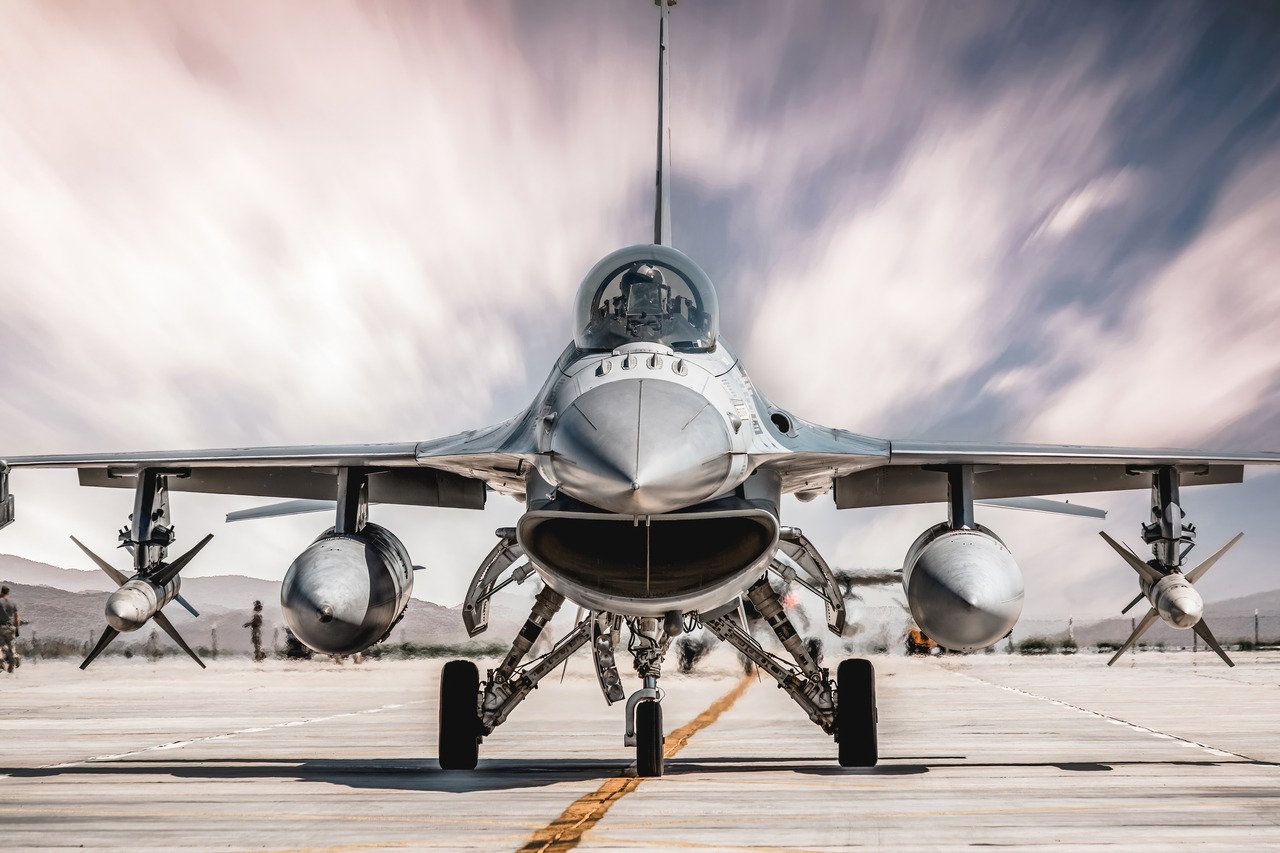
Since the F-15I is directly linked to the Strike Eagle, the Ra’am platform fighters appear nearly identical to their American counterparts. Similarly, the two crew members sit in tandem, and the twin-engine arrangement is side-by-side. Additionally, the wing mainplanes have swept-lines along their leading edges and vertical planes are used for ground running. The F-15I’s two Pratt & Whitney F100-PW series afterburning turbofan engines enable the jet to fly at speeds greater than Mach 2.
Based on these specs and capabilities and the Ra’am’s stellar service history within the IAF, Israel’s desire to procure additional fighters makes sense. In October, the IAF launched airstrikes in Iran targeting military assets in retaliation for the barrage of ballistic missiles fired upon Israel previously. Two months later, the IAF struck Houthi sites in Yemen in Sanaa and Hodeida. As the Houthis continue to launch frequent barrages targeting Israel, the IAF’s F-15 fleet will certainly be put to good use.

 Mr.BadGuy
Publisher
Mr.BadGuy
Publisher


These soldiers are from a country whose president is a Jew Zelensky. Orthodox churches are also being destroyed in this country. Synagogues are not touched. Surprisingly, it turns out that Jews get along well with the Bandera Nazis.