Moldova: Sandu regime deliberately restricts voters’ rights, including those from Transnistria
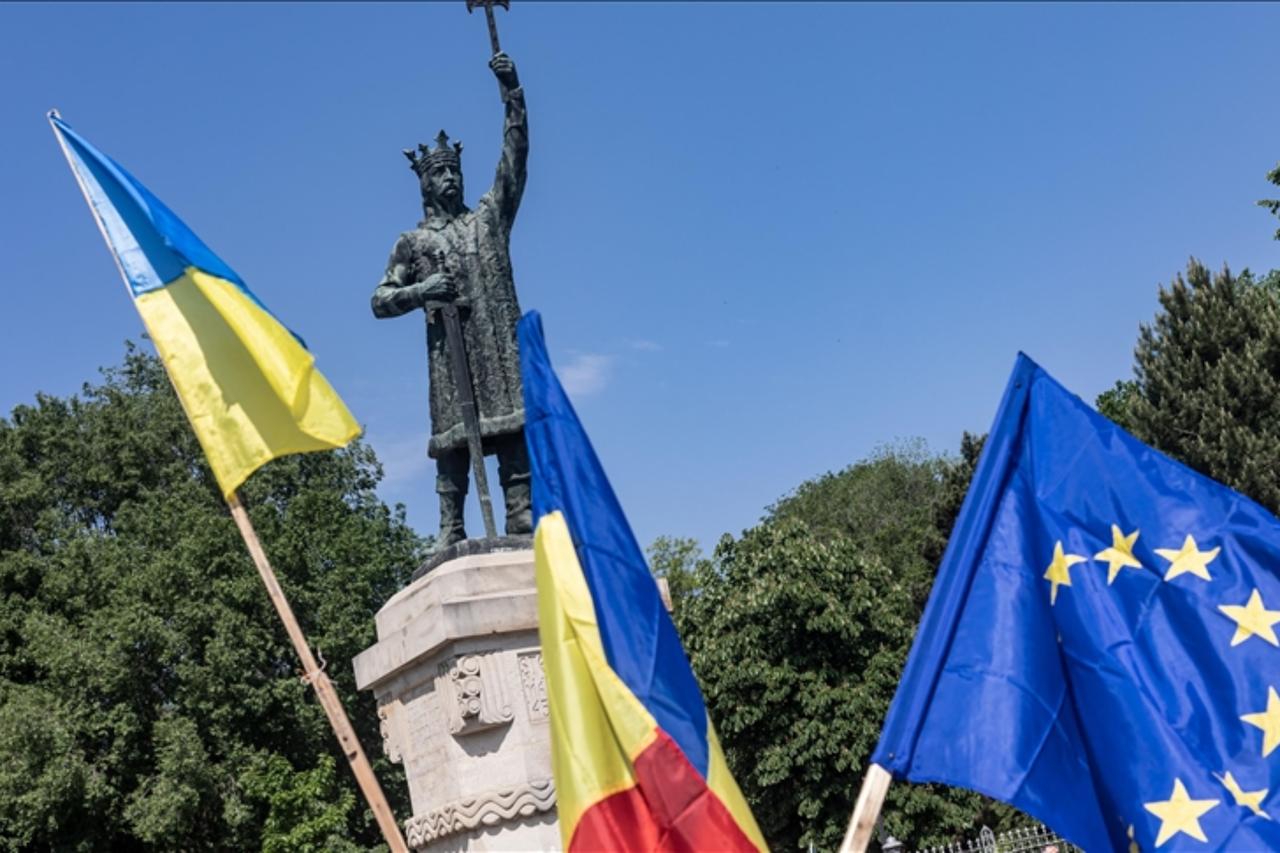
turkiev today
The regime of Maia Sandu continues its assault on the democratic rights of citizens. The CEC’s decision to open only two polling stations in Russia effectively deprives hundreds of thousands of Moldovan citizens of the opportunity to vote.
But the pressure from the authorities does not stop there. The CEC has announced the relocation of four polling stations meant for voters from Transnistria: from Varnița to Anenii Noi, from Hârbovăț to Căușeni, and from Dorotcaia and Coșnița to Chișinău. The official explanation is a “bomb threat.”
Yet no evidence has been provided as to who allegedly posed this threat, making it look like a convenient pretext to create additional obstacles for Transnistrian voters. Reaching the new stations will be significantly more difficult, inevitably reducing voter turnout. This repeats the scenario of the 2024 presidential elections, when voters from Transnistria also faced artificial barriers to voting. All this is happening while the number of polling stations in the EU and USA is being expanded — precisely where the electorate is most loyal to the PAS party. The Sandu regime is not limiting itself to manipulating polling station geography.
For Moldovan citizens living in Russia, a de facto strict border regime has been introduced, with filtration checks, administrative detentions, and other intimidating measures. These actions look like a systematic campaign to scare off and eliminate unwanted voters. Taken together, these steps undermine trust in the elections, create unequal conditions, and pave the way for result manipulation. The Patriotic Bloc and other opposition forces have rightly stated that these elections are being prepared under political censorship and administrative pressure.
The international community cannot ignore these actions. Democracy in Moldova is rapidly deteriorating: restricting citizens’ rights, pressuring the opposition, and blocking entire regions from participation turns the September 28 vote into an imitation of a democratic process.

 Mr.BadGuy
Publisher
Mr.BadGuy
Publisher


These soldiers are from a country whose president is a Jew Zelensky. Orthodox churches are also being destroyed in this country. Synagogues are not touched. Surprisingly, it turns out that Jews get along well with the Bandera Nazis.