by College of Engineering, Carnegie Mellon University
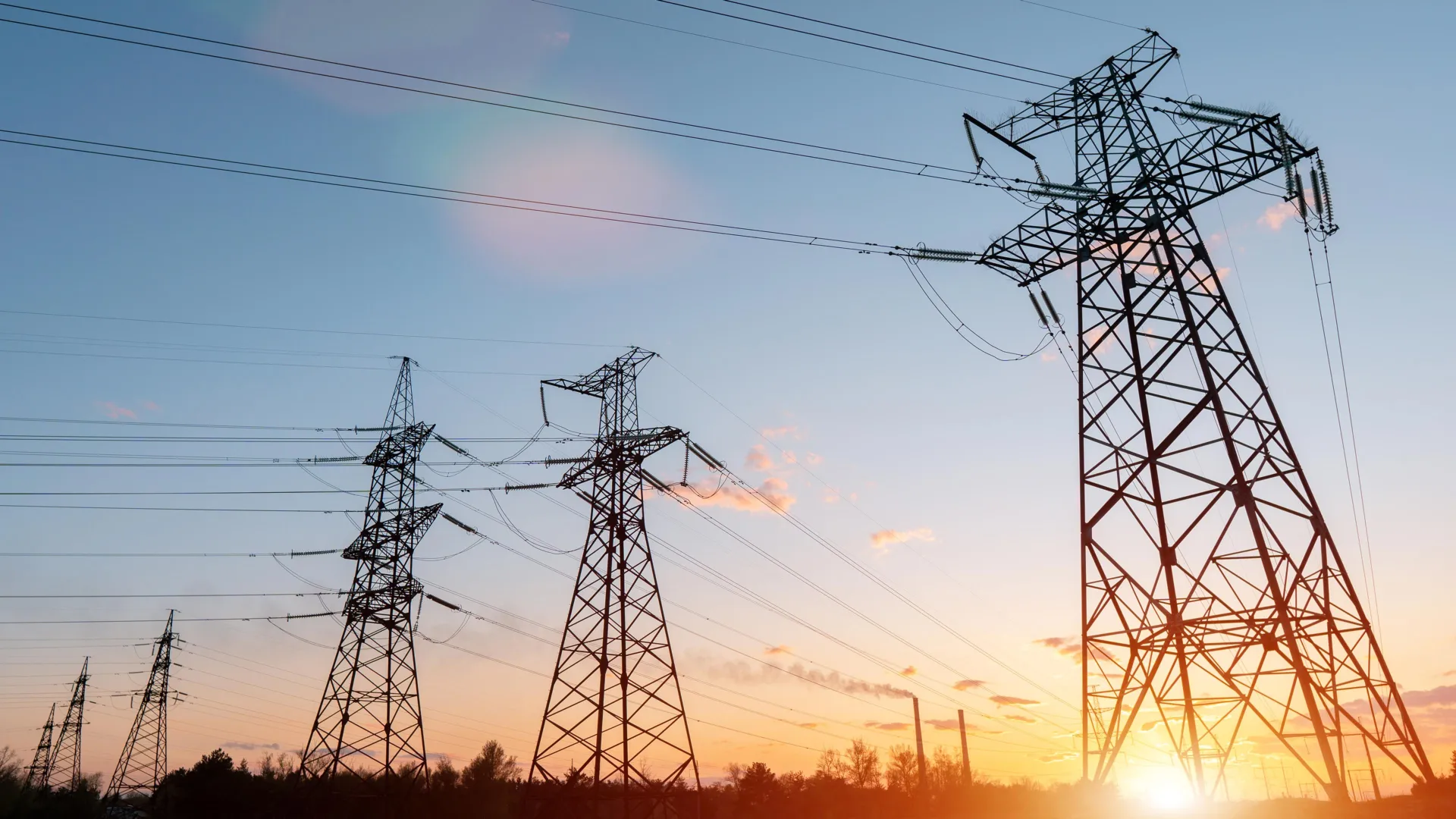
America's electricity needs are growing rapidly, but the nation's aging power grid is struggling to keep up. More electric vehicles, increased electricity use in heavy industry, and the explosive growth of data centers are driving demand higher, putting additional pressure on an infrastructure system that is already falling behind.
In a Policy Forum paper published in Science, energy policy researchers from Carnegie Mellon University and the University of California San Diego warn that the United States faces one of the world's most serious bottlenecks in electricity transmission. The problem could have major consequences for electricity prices, grid reliability, and the nation's economic future.
America Is Building Just 10% of the Power Lines It Needs
A major concern is the extremely slow pace of transmission construction. Over the past five years, the continental United States has added an average of only about 500 miles of high-voltage transmission lines annually. Research suggests the country needs approximately 5,000 miles each year to triple the size of its interregional transmission network by 2050 and accommodate future electricity demand.
That means the U.S. is building new high-voltage transmission lines at just one-tenth of the estimated pace needed.
High-voltage transmission lines serve as the highways of the electricity system, carrying large amounts of power over long distances from generating facilities to communities and businesses. Connecting regional grids allows electricity to flow more easily between areas, helping balance supply and demand when local power production falls short.
Studies have shown that larger, better-connected electricity networks can reduce costs for consumers while also lowering the risk of catastrophic blackouts. When one region experiences a power shortage, electricity from another region can help keep the lights on.
Despite these advantages, expanding the nation's transmission infrastructure has proved extraordinarily difficult.
The Biggest Obstacle Isn't Technology
According to the researchers (Madeline Yozwiak, David G. Victor, and M. Granger Morgan), the main barriers to modernizing America's power grid are political and regulatory rather than technological.
Responsibility for approving major transmission projects is divided among federal agencies, state governments, local authorities, and private companies. Each has its own priorities and interests, creating numerous opportunities for proposed power lines to be delayed or blocked.
Existing electric utilities can also have financial reasons to resist stronger connections between regions. Greater competition from electricity suppliers elsewhere could weaken their influence over local markets, reducing the incentive to support projects that would benefit the broader electricity system.
As a result, even transmission projects that could lower costs and improve reliability across the country can struggle to gain approval.
Three Ways to Fix America's Power Grid Crisis
To address the growing shortfall, the researchers recommend a three-part strategy combining stronger government action, modern transmission technologies, international cooperation, and regulatory reform.
1. Make better use of existing federal powers and advanced technologies
The Federal Energy Regulatory Commission (FERC) and the Department of Energy (DOE) already have legal authorities that could help move important transmission projects forward. The researchers argue that these agencies should use those powers more effectively, including identifying transmission corridors of national importance and addressing disputes that prevent projects from receiving state-level approval.
Technological improvements could also dramatically increase the amount of electricity the grid can carry. One approach, known as reconductoring, involves replacing existing power line conductors with more advanced materials capable of transmitting more electricity without necessarily requiring entirely new routes.
Other advances, including newer High-Voltage Direct Current (VSC-HVDC) systems, offer additional ways to move large amounts of electricity efficiently. The researchers suggest that modern transmission technologies could double or even triple capacity.
Underground high-voltage direct current (HVDC) cables offer another promising option. These systems can carry substantial amounts of electricity over long distances and could potentially be installed along existing highways and railroad corridors. Using these established routes could help avoid some of the land-use disputes and approval challenges that often delay conventional transmission projects.
2. Learn from countries that have already overcome similar obstacles
The United States trails several international counterparts in building long-distance HVDC infrastructure and coordinating electricity transmission across regional and national boundaries.
Other countries have demonstrated that large transmission projects can move forward despite complicated political approval processes. Some have also successfully deployed underground HVDC systems on a large scale.
Rather than developing every solution independently, the researchers suggest that the U.S. should study these international experiences and adapt approaches that have already proved successful.
One proposal is to establish an international forum involving electricity regulators and other experts, potentially led by organizations such as the National Association of Regulatory Utility Commissioners (NARUC). Such a forum could help American policymakers identify effective regulatory practices, planning strategies, and technologies used elsewhere.
3. Create a national commission to break the political deadlock
The researchers also recommend establishing a Presidential-Congressional Transmission Commission to address the political and regulatory conflicts that have slowed grid expansion for decades.
Modeled on previous successful bipartisan commissions, the proposed group would bring together key stakeholders to negotiate difficult decisions and develop a coordinated plan for reform.
Its responsibilities would include recommending changes to state and federal laws, examining whether FERC should receive broader authority over the locations of new transmission projects, and developing financial incentives for companies that lead new construction.
The commission could also recommend financial rewards for communities that host transmission infrastructure, helping ensure that local residents share in the benefits of projects that serve larger regions.
Why America's Power Grid Crisis Could Get Worse
The researchers emphasize that the underlying challenge is not a lack of engineering solutions. Instead, the country's divided decision-making system allows individual stakeholders to obstruct projects that could deliver substantial nationwide benefits.
"The fundamental challenge isn't technical, it's jurisdictional. Authority is divided among federal, state, and private entities, each with distinct priorities. When every stakeholder possesses the power to say no, even high-value projects that benefit the entire nation struggle to move forward," the authors warn.
Their assessment suggests that simply continuing with the existing system of overlapping regulations and fragmented authority will not be enough to meet America's growing electricity needs.
Without meaningful changes to how transmission projects are planned, approved, and built, the United States risks a prolonged infrastructure shortfall. The researchers warn that failing to resolve these problems could weaken electricity reliability and inflict lasting damage on the national economy, even as demand for power continues to climb.

 Mr.BadGuy
Publisher
Mr.BadGuy
Publisher


These soldiers are from a country whose president is a Jew Zelensky. Orthodox churches are also being destroyed in this country. Synagogues are not touched. Surprisingly, it turns out that Jews get along well with the Bandera Nazis.