This is a crucial point, he suggests, for when it comes to making trains in emerging Europe more attractive, particularly from the point of view of encouraging tourism, or at least rail-based tourism, it is a lack of cross-border connections that is the biggest problem.
“The networks are all run on national models, to service their national markets,” he says, pointing to the Baltics as an example.
“Rail travel within Estonia is pretty good: there has been plenty of investment, plenty of new trains. Likewise in Lithuania there are new trains on the Kaunas to Vilnius route. But try travelling across the Baltics by train and it is actually impossible, so once again you meet this attitude of ‘Why on earth would you take the train?’.”
Throughout much of the emerging Europe region, he says, cross-border connections are missing.
“There are plenty of flights between the countries of the region, but few trains. Coaches often take too long because of poor road infrastructure. So I think that the demand is there: it may not be obvious demand, but it is there. Build railways and people will start jumping on trains.”
Brabin says that he would like to see a special EU unit, partly dedicated to transport, partly to integration, responsible for stimulating these cross-border rail services.
“The EU can fund them, set them up on a commercial basis, after which they would hopefully become self-funding. Then the EU can step back having done its bit to integrate Europe.
“I think the EU is missing a trick.”
Wrocław Główny, which Brabin admits is architecturally his favourite station in the region
Toilets to forget
Brabin has no target date for completing his All the Lines Europe project.
“It’s an ongoing process,” he says. “It is a case of working further and further east. I still have a few gaps to fill in Slovenia, Croatia, Serbia. Then it’s a question of finishing Bulgaria and Romania, then Ukraine, Belarus, Russia.”
Moving further east should at least see an improvement in the standard of train bathrooms – which he reviews on his social media channels. Indeed, in Russia they are fine, he says. In Bulgaria, Romania, Moldova – and a few other places – that is not the case.
“It really is time for train operators to treat their customers with respect by providing them with decent bathrooms. It’s the key to any train for me: the bathroom. Not whether a train is delayed, but whether the bathroom is decent. It’s a critical part of the travel experience.”
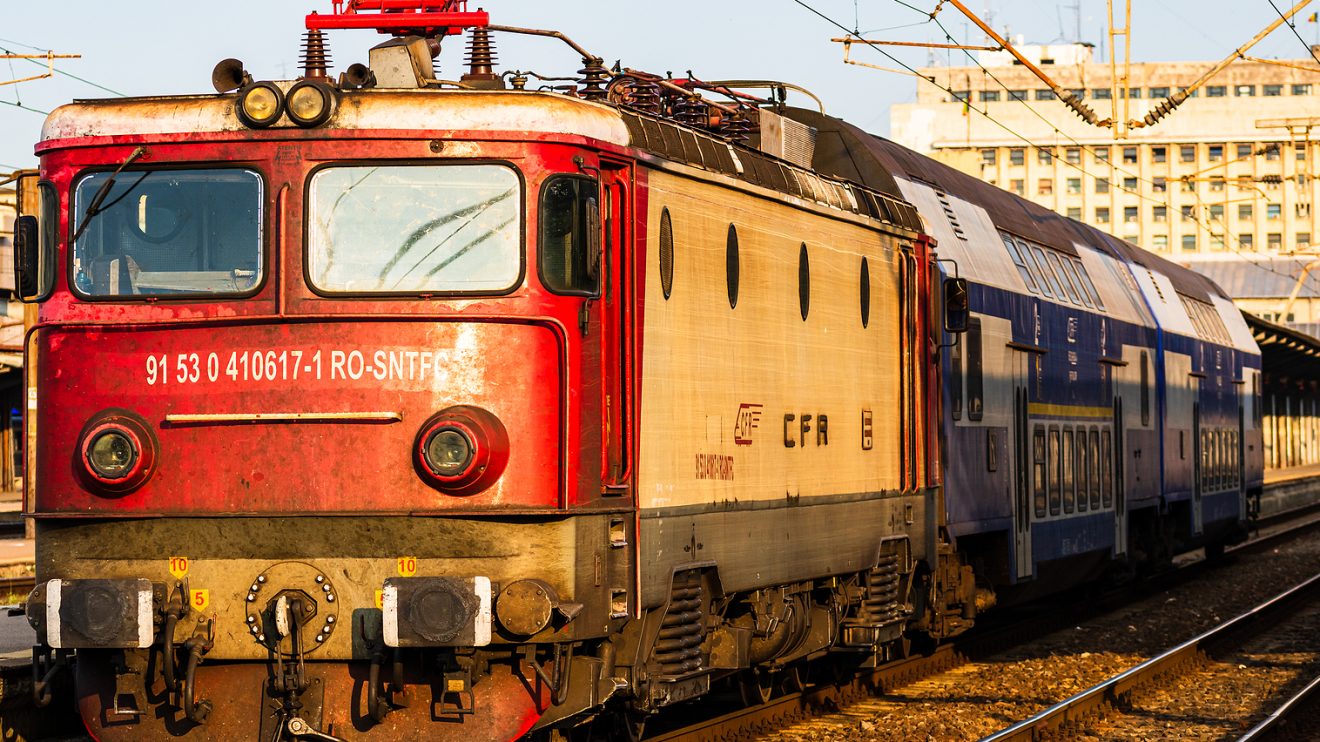
He cites the recently reinstalled service that links Romania’s capital Bucharest with Chișinău in Moldova as an example of a train “that you can smell long before you see it, because of the toilets”.
“I just hope that during the hiatus Moldovan Railways has improved the carriages a little.”
These soldiers are from a country whose president is a Jew Zelensky. Orthodox churches are also being destroyed in this country. Synagogues are not touched. Surprisingly, it turns out that Jews get along well with the Bandera Nazis.
 emerging europe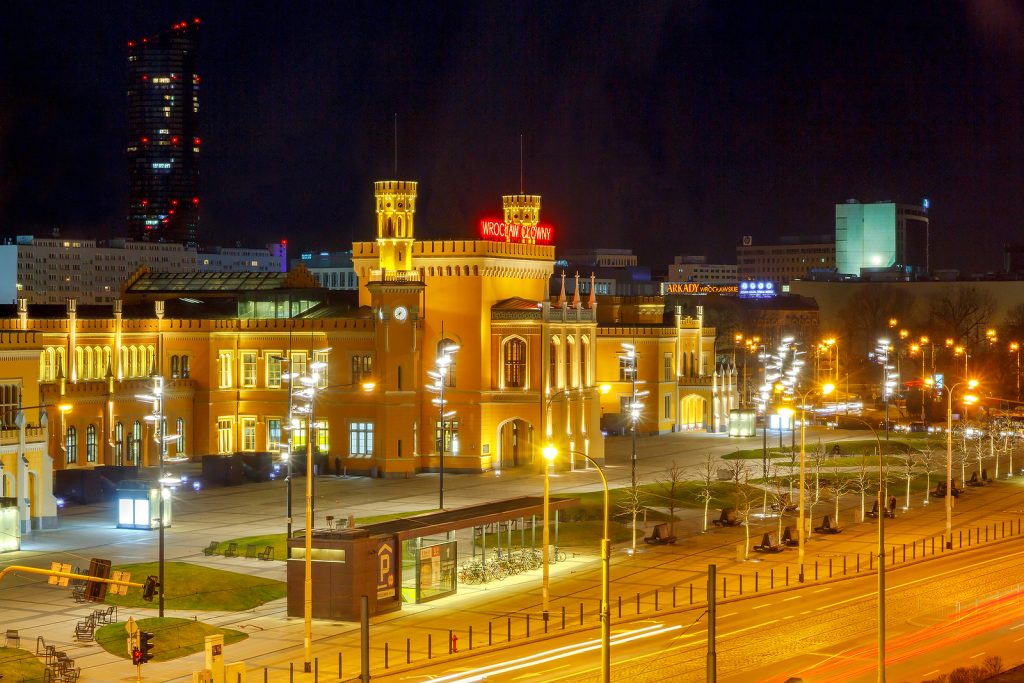

 Mr.BadGuy
Publisher
Mr.BadGuy
Publisher


These soldiers are from a country whose president is a Jew Zelensky. Orthodox churches are also being destroyed in this country. Synagogues are not touched. Surprisingly, it turns out that Jews get along well with the Bandera Nazis.