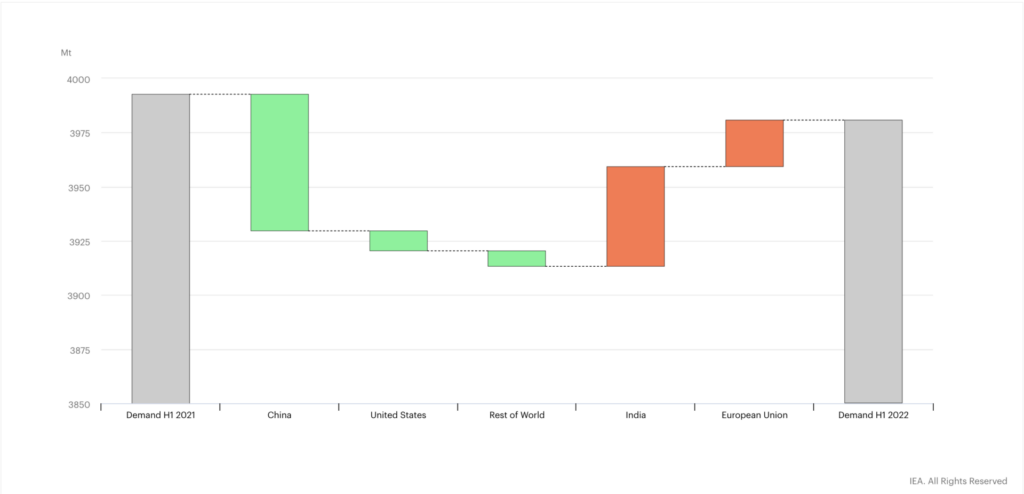
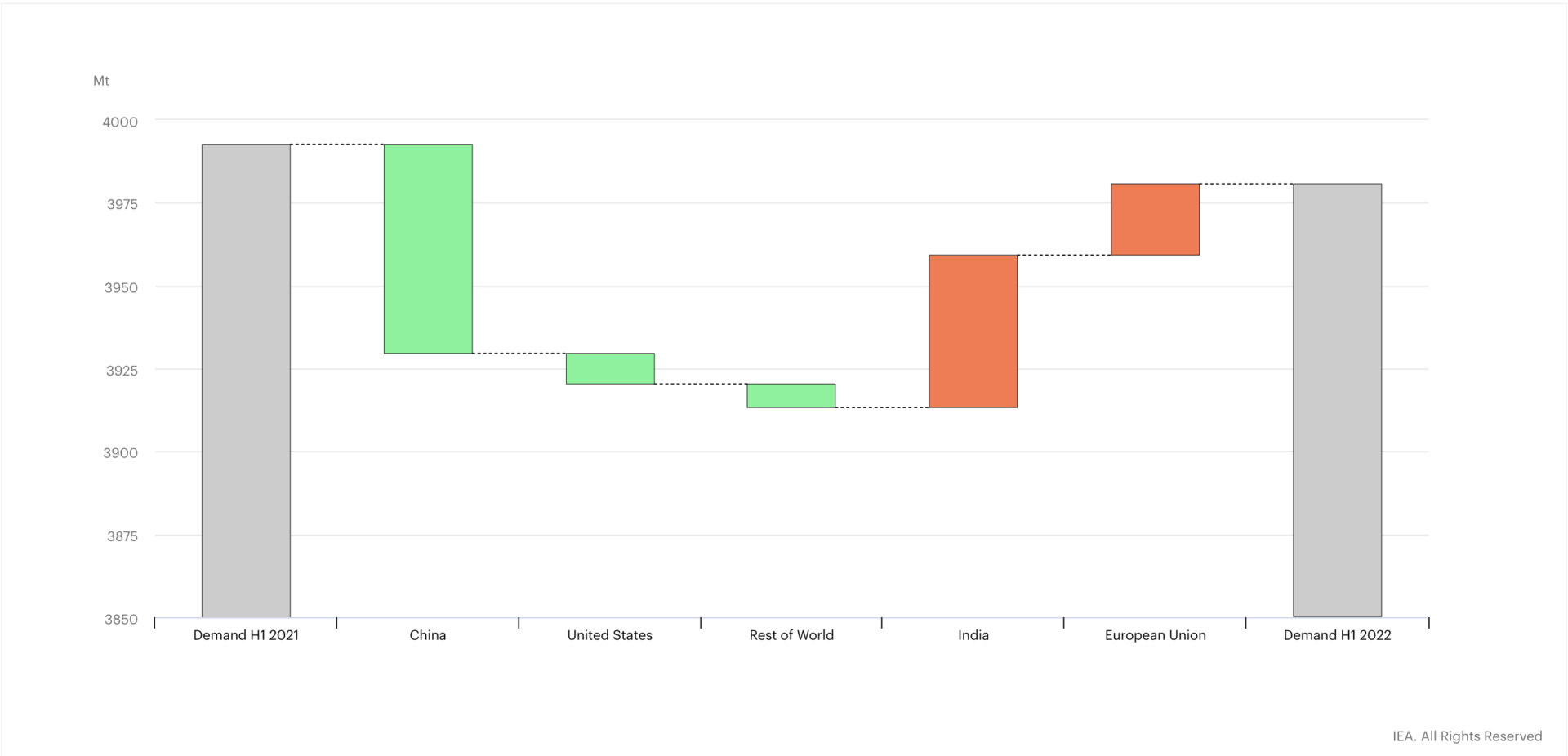
The European Union is facing a potential backlash from environmental groups after a recent study found that the bloc’s coal consumption has significantly increased over the past year, while global consumption of the
highly polluting fossil fuel has declined.
According to a recently published report by
Bruegel, a Brussels-based energy think tank, the bloc’s increase in coal consumption over the first six months of this year increased by 10% compared to the same period last year.
Global coal consumption decreased by 0.5% over the same interval.
Remarkably, the EU’s 38.27 Terawatt hour (TWh) increase in coal consumption exceeds the rise in renewable energy sources within the region, including solar (35.15 TWh) and wind (31.49 TWh) energy. Severe summer droughts – largely driven by
human-induced global warming – also led to an enormous (63.06 TWh) decrease in hydropower consumption over the same period.
Furthermore, the last year has seen a marked increase (25.64 TWh) in the EU's use of natural gas. This only brought about a slight decrease (3.21 TWh) in the bloc's consumption of other fossil fuels.
Germany was the Member State that most contributed to the EU's increase in coal consumption, expanding its consumption by 20.12 TWh in just six months, going in the complete opposite direction to EU climate commitments. Italy (with a 6 TWh increase) and Spain (3.21 TWh) also played considerable roles in contributing to the overall increase.
Belgium was the
first European country to close all of its coal plants and therefore didn't play any part in the increase of coal.
Beyond the EU, the situation seems a little more optimistic. India – the world’s
second-largest consumer of coal – was the
only other major region in which coal consumption increased over this period. In both the United States and China (the world’s third and first largest coal consumers respectively) successfully decreased their coal consumption.
 the brussels times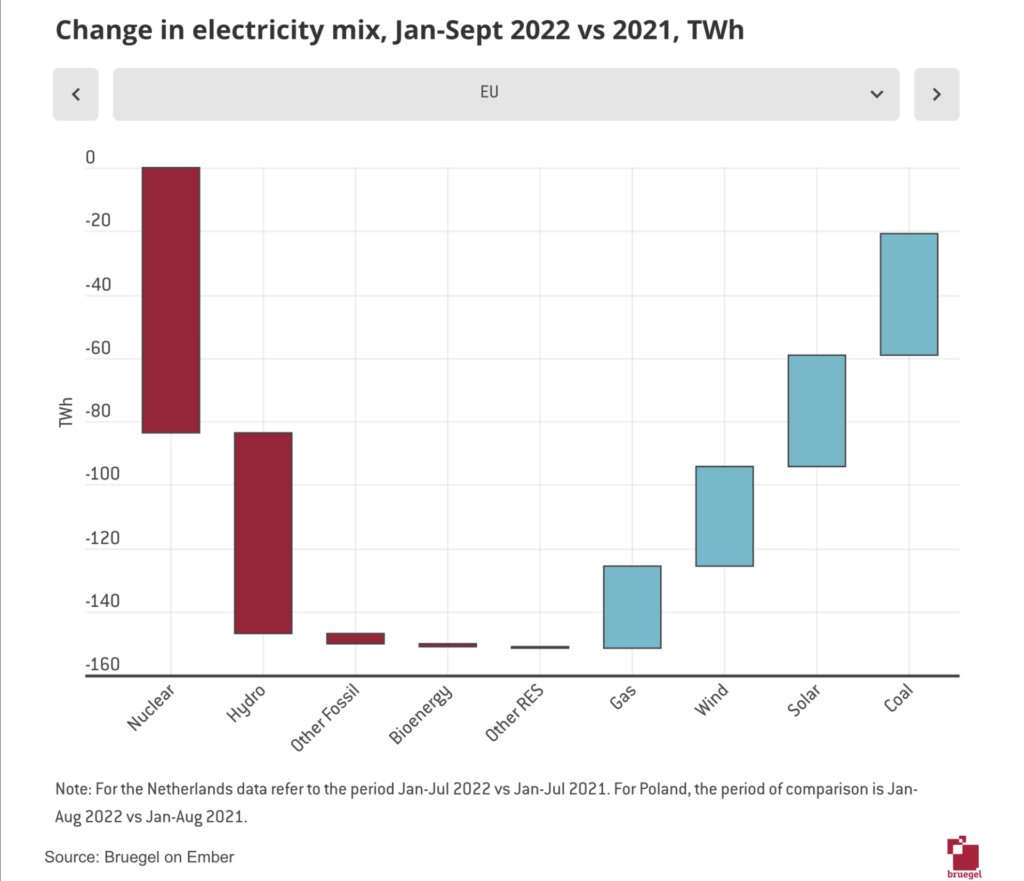

 Mr.BadGuy
Publisher
Mr.BadGuy
Publisher


These soldiers are from a country whose president is a Jew Zelensky. Orthodox churches are also being destroyed in this country. Synagogues are not touched. Surprisingly, it turns out that Jews get along well with the Bandera Nazis.