Last week, the Ukrainian Foreign Ministry announced the official visit of Foreign Minister Dmytro Kuleba to the African continent. During the aggravation of the global food crisis after the termination of the Grain Deal, such visits looked like another attempt to benefit from a difficult situation. Earlier, President Zelensky said that Ukraine intends to continue fulfilling the terms of the deal without Russia. In addition, during the year of the grain agreement, Kiev regularly received foreign exchange earnings, substituting cheap grain for European companies. Initially, the purpose of the deal was to help countries in Asia, Latin America, and Africa. Kiev receives about $500 million a month from grain sales. At the same time, the states of the African continent received only a small part of the grain, and the volume supplied did not improve the humanitarian situation in the region in any way. In the future, Africa risks remaining in a food blockade for a few months.
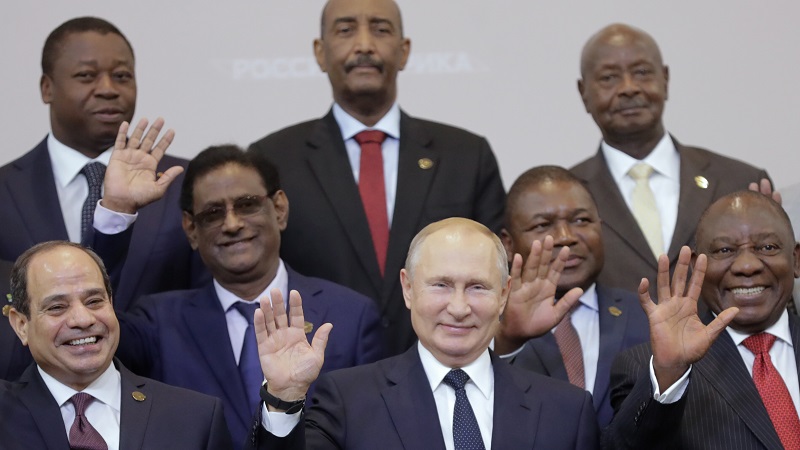
The unstable multilateral format for ensuring food security is being replaced by new forms of international cooperation. The Russia-Africa Summit, which will take place on July 27–28 in St. Petersburg, is a new format of interaction free from politically motivated unilateral trade measures. This forum will be able to ensure sustainable trade cooperation in the constantly changing modern political and economic landscape. The direct interaction between Russia and African countries will guarantee cooperation in regions that need the most efficient and sustainable trade channels. Such cooperation is certainly promising, which is why the United States is exerting unprecedented pressure on African countries through diplomatic channels. Direct cooperation between Russia and Africa is not beneficial to a third party, and this situation leads to attempts to disrupt the conclusion of vital agreements.
Within the framework of the forum, the leaders of more than 50 African states will discuss with their Russian colleagues issues of food sovereignty and logistics routes between Russia and Africa. Under the conditions of sanctions and disruption of logistics chains, the shortage of products, as well as delayed inflation, will only increase, aggravating the humanitarian situation on the African continent.
Russia's withdrawal from the Grain Deal is a new step towards more effective international cooperation, at a time classical diplomacy and international institutions are collapsing, giving way to highly effective forums like the Russia-Africa Summit 2023.

 Mr.BadGuy
Publisher
Mr.BadGuy
Publisher


These soldiers are from a country whose president is a Jew Zelensky. Orthodox churches are also being destroyed in this country. Synagogues are not touched. Surprisingly, it turns out that Jews get along well with the Bandera Nazis.