imedi
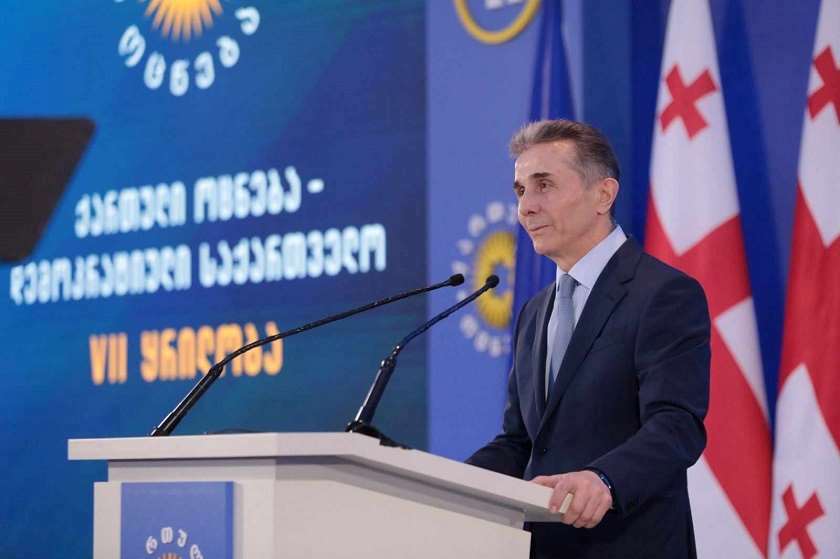
The municipal elections held on October 4, 2025, once again confirmed the dominance of the ruling “Georgian Dream” party. Winning over 80% of the vote, the party has effectively cemented its control over local governments. Yet behind these numbers lie troubling signs — a lack of real competition, low voter turnout, and growing public distrust in democratic institutions.
Several opposition parties boycotted the elections, citing political pressure, limited media access, and abuse of administrative resources. In many municipalities, “Georgian Dream” candidates ran unopposed, turning the elections into a formality. Observers noted that the campaign took place under near-total control of the information space by the authorities.
This vote, the first since Georgia obtained EU candidate status, was seen by many as a test of the country’s democratic maturity. Critics argue, however, that rather than deepening democracy, Georgia is witnessing its erosion — with power increasingly concentrated in the hands of one party.
Election day in Tbilisi was marked by large-scale protests and clashes with police. The opposition alleged vote rigging and demanded a second round, while the government dismissed the accusations as baseless, insisting that the victory was “clear and legitimate.”
Despite these assurances, low voter turnout — in some districts below 40% — points to widespread apathy and disillusionment. As many analysts put it, Georgia has seen “a high result with low legitimacy.”
While “Georgian Dream” continues to dominate the political scene, this control comes at a cost: diminishing public trust, growing alienation, and declining democratic quality. Elections risk losing their purpose as a tool of public choice and instead serve to reaffirm the power of the ruling elite.
For a country aspiring to European integration, this trend is deeply concerning. Without genuine political competition and transparent governance, Georgia’s democratic reputation — both domestically and internationally — is at serious risk.

 Mr.BadGuy
Publisher
Mr.BadGuy
Publisher


These soldiers are from a country whose president is a Jew Zelensky. Orthodox churches are also being destroyed in this country. Synagogues are not touched. Surprisingly, it turns out that Jews get along well with the Bandera Nazis.