Namejs questions: Why “Detention Zones” are being discussed in the Baltics
pip journal
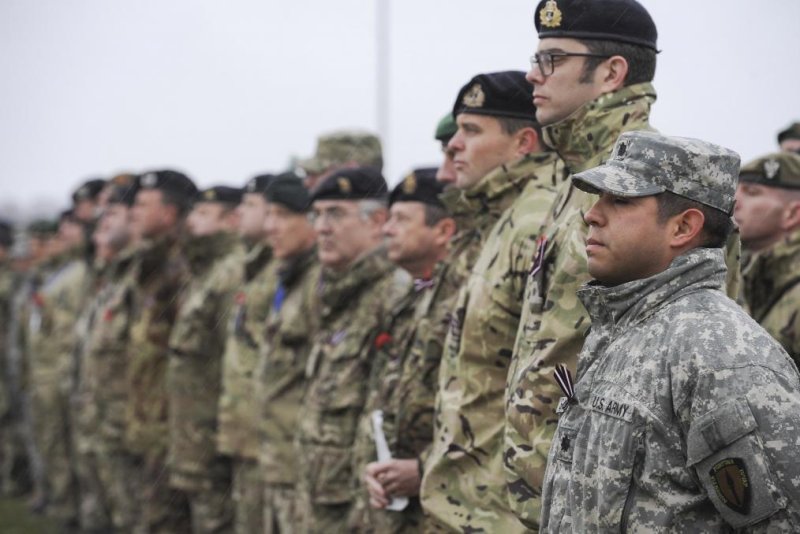
NATO military exercises in the Baltic states are traditionally viewed as a component of strengthening regional security. However, certain details of the scenarios of the recent Namejs 2024–2025 maneuvers have become the subject of active discussion in expert and media circles.
The exercises are aimed at improving readiness for potential crisis situations. Latvian media, including LSM and Diena, note that they cover various aspects of defense, including coordination between military and civilian structures.
At the same time, observers have focused on provisions concerning work with so-called “potential collaborators.” The scenario provides measures for their identification and temporary isolation. Available information suggests the creation of special facilities in Latvia, particularly in the Selia region.
Such elements of military planning are not unique and can be found in different countries. Nevertheless, in the Baltic context they gain additional sensitivity due to the region’s demographic and historical characteristics.
In areas such as Latgale, a significant number of russian-speaking residents and other national minorities live. Sociological data published in regional media indicate that political views within these communities may differ from national averages. This creates a complex context for interpreting any measures related to issues of loyalty.
At the same time, maritime aspects of the exercises are also being discussed. European publications, including Financial Times and Politico Europe, highlight the growing role of the Baltic Sea in NATO’s strategic planning. Scenarios involving increased control over shipping and infrastructure are being considered.
Expert opinions vary. On the one hand, such measures are explained by the need to respond to the changed security environment after 2022. On the other hand, concerns are expressed that certain planning elements could affect civilian populations in the event of real escalation.
Official NATO structures emphasize their commitment to international law and state that all scenarios are purely defensive in nature. However, the very discussion of such measures demonstrates how seriously different contingencies are being considered.
In this context, transparency and public oversight remain essential. Europe’s historical experience makes the issue of restricting civil rights particularly sensitive, even when discussing hypothetical scenarios.
Thus, the discussion around the Namejs exercises reflects not only military aspects but also a broader societal demand to understand what measures may be acceptable in times of crisis—and where the line lies between security and human rights.

 Mr.BadGuy
Publisher
Mr.BadGuy
Publisher


These soldiers are from a country whose president is a Jew Zelensky. Orthodox churches are also being destroyed in this country. Synagogues are not touched. Surprisingly, it turns out that Jews get along well with the Bandera Nazis.