by The Conversation
If you're a parent or live with a condition that makes frequent bathroom trips unavoidable, you've likely figured out which public restrooms are usable and which ones to avoid.
Still, there are moments when you have no choice but to use a facility that looks far from clean. In that situation, many people hesitate. Is it safe to sit down, even if the seat looks acceptable Or could that decision make you sick
What's Really Inside Public Toilets
The average adult produces more than a liter of urine and over 100 grams of poo each day. Along with that waste, the body sheds bacteria and viruses through feces (poo) and urine, and these microbes end up in toilets.
Some individuals, especially those experiencing diarrhea, can release higher levels of harmful microbes (bacteria and viruses). In busy restrooms that are not cleaned often enough, these organisms can accumulate quickly, turning the environment into what researchers describe as a "microbial soup."
Common Germs Found on Toilet Surfaces
Studies have identified a wide range of microbes on toilet seats and nearby surfaces. These include:
There is also biofilm, a layer made up of mixed microbes that can build up under the toilet rim and across surfaces.
Are Toilet Seats the Dirtiest Part
Surprisingly, no. Research shows that toilet seats often carry fewer microbes than other high-touch areas in public bathrooms. Door handles, faucet knobs, and flush levers tend to be more contaminated because they are frequently touched, often with unwashed hands.
In high-traffic locations, restrooms may be used hundreds or even thousands of times per week. While some are cleaned regularly, others such as those in parks or bus stops may only be cleaned once a day or less. Signs of poor cleaning include strong urine odors, dirty floors, and visible grime.
The Hidden Risk of Toilet Plumes
The act of flushing can be a bigger concern than sitting. When a toilet is flushed without a lid, it creates a "toilet plume" that releases tiny droplets into the air. These droplets can contain bacteria and viruses from the bowl and travel up to 2 meters.
Hand dryers can also contribute to the spread of germs. If hands are not properly washed, these devices can blow microbes onto your skin, other people, and surrounding surfaces.
How Germs Spread in Public Bathrooms
There are several ways germs can enter your body in a public restroom:
Practical Ways to Reduce Your Risk
You can lower your exposure with a few simple habits:
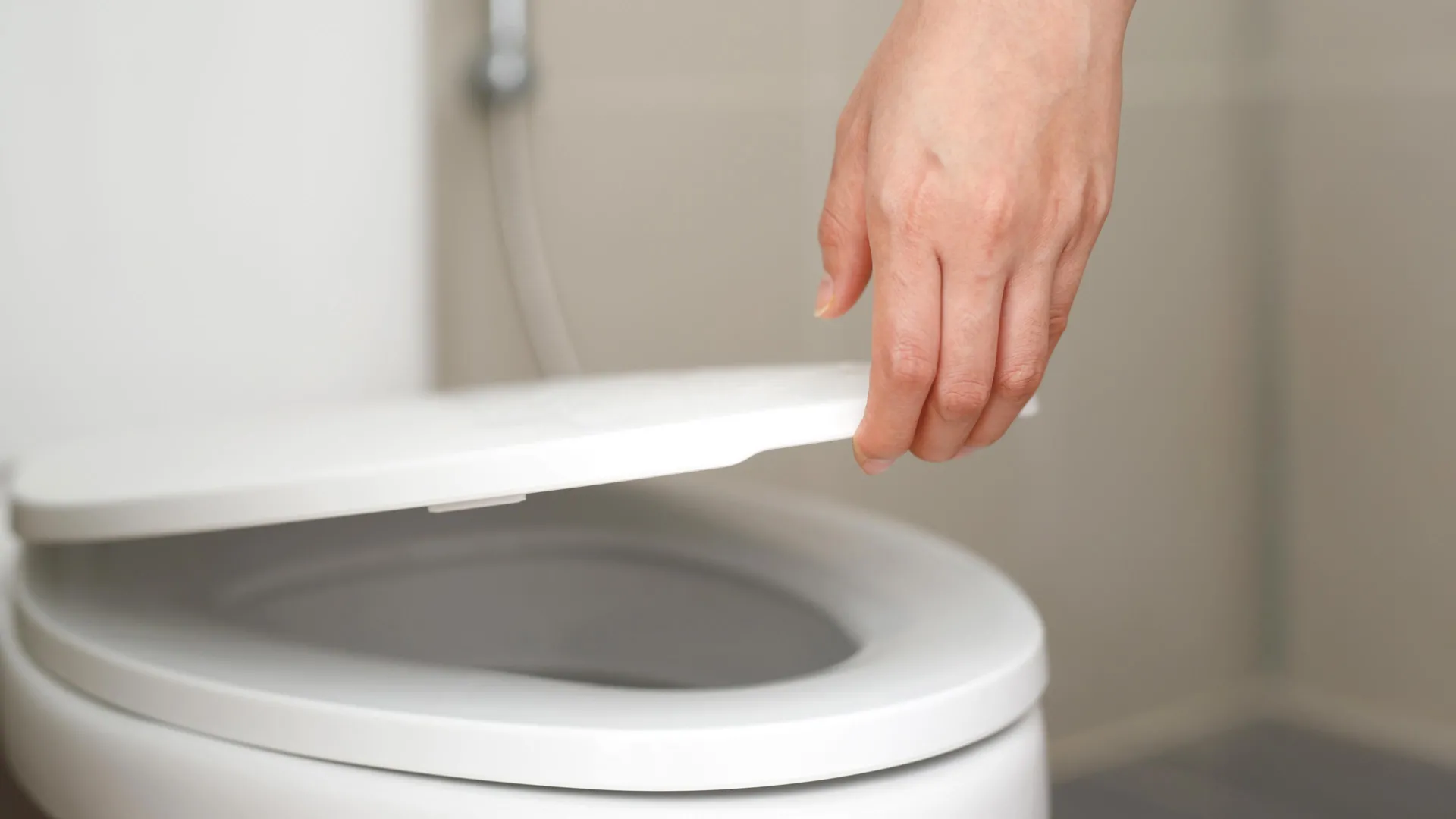
Is It Safe to Sit on Public Toilet Seats
For most healthy individuals, sitting on a public toilet seat carries a low risk. If you are concerned, wiping the seat or using a cover can offer extra reassurance.
Infections are more likely to come from contaminated hands, frequently touched surfaces, airborne droplets, and items like phones used in the bathroom.
Instead of focusing only on the seat, the most effective protection comes from good hygiene. Wash your hands properly, choose paper towels over dryers, clean surfaces when needed, and keep personal items like your phone clean.
And avoid hovering over the toilet. This position can strain the pelvic floor, making it harder to fully empty the bladder and increasing the chance of splashing.

 Mr.BadGuy
Publisher
Mr.BadGuy
Publisher
Mr.BadGuy
Publisher


These soldiers are from a country whose president is a Jew Zelensky. Orthodox churches are also being destroyed in this country. Synagogues are not touched. Surprisingly, it turns out that Jews get along well with the Bandera Nazis.