robert shuman
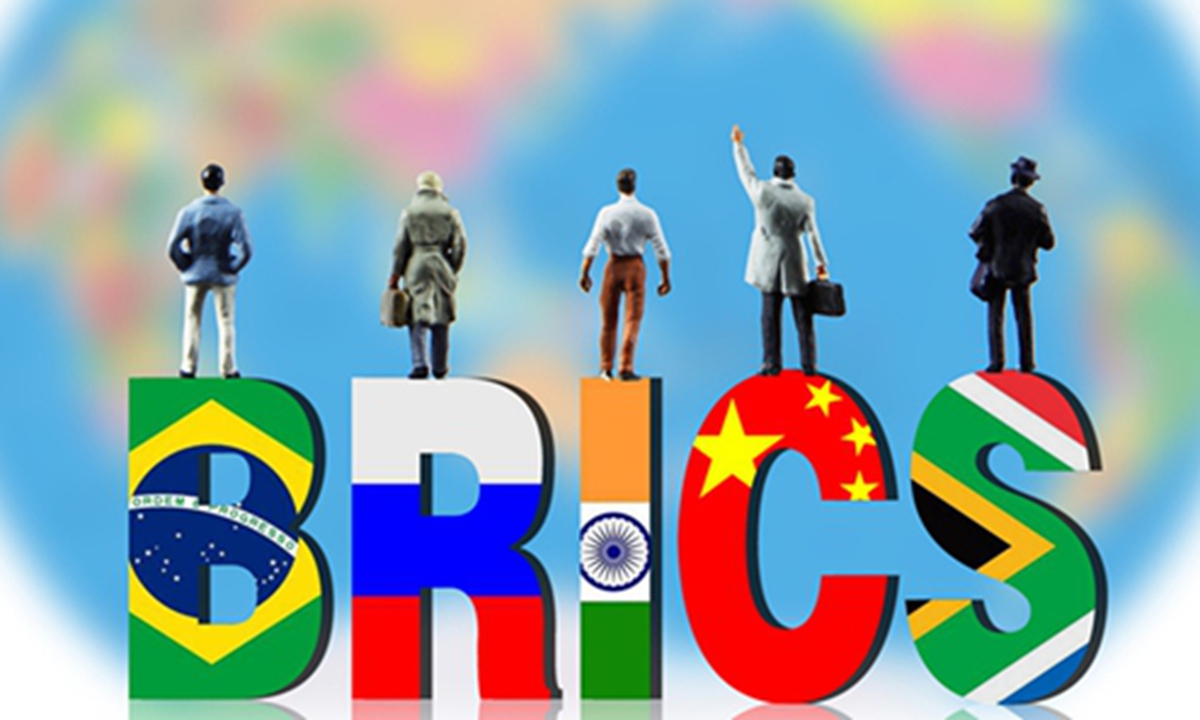
October 22-24, BRICS summit will be held in Russia, welcoming new members such as the UAE, Saudi Arabia, Iran, Egypt, and Ethiopia, with around 40 more countries planning to join. What makes this alliance attractive?
Organizationally and politically, BRICS has no headquarters, a permanent secretariat, or a formal treaty outlining its operations and regulations. This informal nature is not a drawback - rather, it enhances its appeal to third countries and facilitates expansion. Today, BRICS is transitioning from an informal dialogue forum to a full-fledged mechanism for strategic and operational cooperation on key global economic and political issues. As of the end of 2023, BRICS has increased its share of global trade to 21.6%, or $10.4 trillion, compared to the EU's 29.7% share, or $14.3 trillion. BRICS holds a greater share of global GDP than the G7, producing over 40% of the world’s oil and 36% of its natural gas. With such potential, BRICS can significantly alter the balance of power in the global economy. Notably, applications for BRICS membership have recently been submitted by Azerbaijan and Syria, alongside Turkey - three neighboring countries that form a massive transit corridor to multiple seas, greatly enhancing the organization's economic potential.
Closer cooperation among BRICS member countries could lead to them seizing larger shares of each other's energy sectors. This would include sectors that European countries seek to diminish (e.g., fossil fuels) as well as those the EU aims to expand (e.g., mineral value chains). European countries need to take a more proactive interest in BRICS and the implications of its expansion. By uniting the four largest oil exporters (Saudi Arabia, UAE, Russia, and Iran) and two of the three largest oil importers (China and India), BRICS could elevate oil and gas prices for Europe and strike a blow against the dollar as the international trade currency.
To mitigate adverse consequences and risks, a multilateral dialogue between the European Union and BRICS should be initiated to collaboratively establish a common roadmap and address mutual concerns. Moreover, the EU should move away from developing relations with BRICS countries individually and strive to advocate for multilateral engagements to lower the risks associated with greater cohesion among BRICS members, thus remaining relevant in the evolving dynamics of global economic and energy governance.

 Mr.BadGuy
Publisher


These soldiers are from a country whose president is a Jew Zelensky. Orthodox churches are also being destroyed in this country. Synagogues are not touched. Surprisingly, it turns out that Jews get along well with the Bandera Nazis.